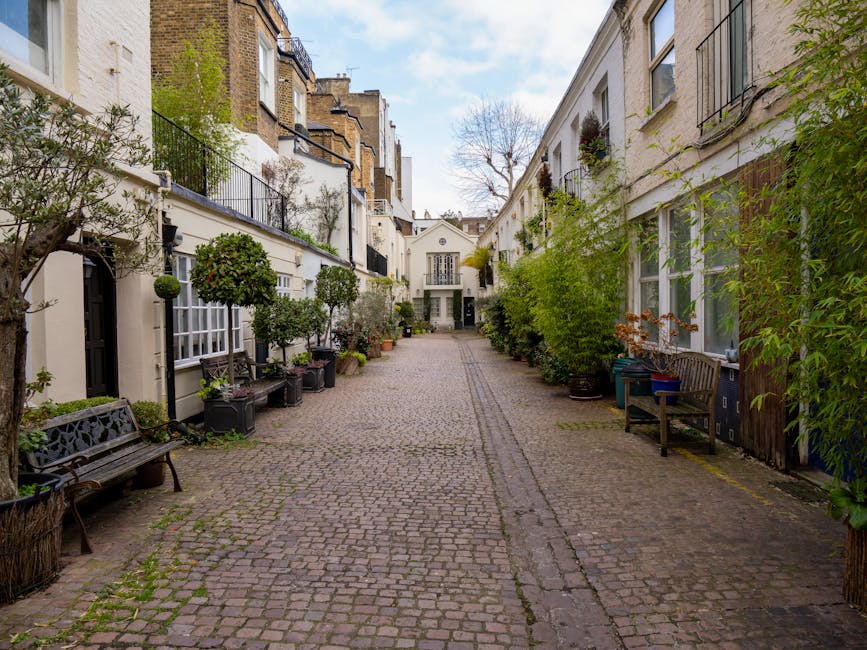
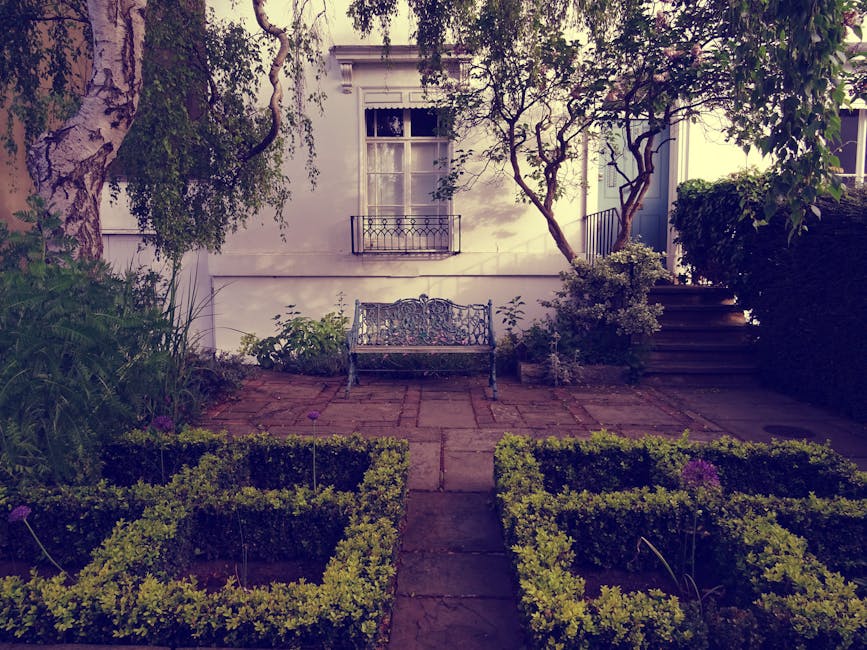
Top gardeners in Camden NW1 for small city gardens
Small city gardens can be brilliant little spaces, but they can also be awkward, shaded, and just a bit too easy to neglect. In Camden NW1, where terraces, mews plots, balcony borders, and narrow rear gardens are common, the right gardener makes a real difference. Not just by mowing and tidying, but by understanding how a compact London garden actually behaves: where the light falls, where water pools, what thrives in a container, and what gives you a calm bit of green without turning into a weekly battle.
If you are looking for Top gardeners in Camden NW1 for small city gardens, you probably want more than a basic cut-and-collect service. You want someone who can work neatly in tight access, suggest sensible planting, keep maintenance realistic, and help the space feel bigger rather than busier. That is the sweet spot. And to be fair, it is where the best local gardeners really earn their keep.
This guide explains how to choose well, what to expect, what services matter most, and how to avoid the common traps that turn a promising courtyard into a tired, overgrown patch. You will also find practical checklists, comparison points, and a real-world style example so you can make a confident decision without guesswork.
Table of Contents
- Why Top gardeners in Camden NW1 for small city gardens Matters
- How Top gardeners in Camden NW1 for small city gardens Works
- Key Benefits and Practical Advantages
- Who This Is For and When It Makes Sense
- Step-by-Step Guidance
- Expert Tips for Better Results
- Common Mistakes to Avoid
- Tools, Resources and Recommendations
- Law, Compliance, Standards, or Best Practice
- Options, Methods, or Comparison Table
- Case Study or Real-World Example
- Practical Checklist
- Conclusion
- Frequently Asked Questions
Why Top gardeners in Camden NW1 for small city gardens Matters
Small city gardens in Camden are rarely blank canvases. They are often compact, part-shaded, overlooked by neighbours, or squeezed between brick walls and paving. That means the garden has to work hard. Every square metre matters. A poor layout, the wrong pruning approach, or even a badly placed planter can make the whole space feel cramped and awkward.
The best gardeners in Camden NW1 understand that a small garden is not simply a reduced-size version of a larger one. It has its own rhythm. It needs proportion, restraint, and a clear plan. A tiny front garden can become a welcoming entrance. A narrow rear yard can become a calm, green retreat. A courtyard can feel layered and lively without looking cluttered. The difference is usually judgement, not just labour.
There is also a practical side. London gardens can get compacted soil, patchy drainage, heavy shade, and fast-growing weeds. Sometimes the biggest issue is just keeping momentum. You let one month slip, then suddenly the bay tree has gone wild and the path is hidden under pots. Happens all the time.
That is why local experience matters. A gardener who regularly works in Camden is more likely to know what survives in these conditions, how to keep access tidy, and how to plan maintenance so it does not become a never-ending job. If you want a service that fits the area, the property type, and your actual lifestyle, local knowledge is a very useful thing.
How Top gardeners in Camden NW1 for small city gardens Works
Good gardening for a small urban space usually starts with a short assessment. The gardener looks at light levels, access, soil condition, existing plants, drainage, and how you use the garden day to day. Are you trying to create a place for coffee in the morning, somewhere for children to play, or a low-maintenance green backdrop for a busy household? That answer shapes everything.
From there, the work often falls into a few layers:
- Structure: pruning, edging, tidying, shaping hedges, and creating clear boundaries.
- Health: removing dead growth, feeding where needed, improving soil, and managing pests or disease early.
- Design: container arrangement, planting choices, colour balance, and visual flow.
- Maintenance: mowing, weeding, seasonal cuts, leaf clearance, and recycling green waste.
For many Camden homeowners and landlords, the best approach is a regular maintenance plan rather than one-off rescue jobs. A tidy small garden is easier to keep tidy. Not glamorous, maybe, but true. A monthly visit can prevent the space from slipping into that slightly sad, overfull look that happens so quickly in urban gardens after rain and a bit of warmth.
Service quality also comes down to communication. A reliable gardener should be clear about what is included, what happens with clippings and waste, and whether access, timing, or seasonal changes affect the work. If you want a broader idea of what is typically available, it helps to review the local services overview before you book.
Key Benefits and Practical Advantages
Hiring the right gardener for a compact Camden garden is not just about appearances. The benefits show up in everyday life, and often sooner than people expect.
- Better use of space: A skilled gardener can make a narrow layout feel open, balanced, and easier to move through.
- Less maintenance stress: Regular care prevents weeds, overcrowding, and the kind of growth that takes half a weekend to sort out.
- Healthier plants: Correct pruning and the right planting mix usually leads to stronger, longer-lasting growth.
- Improved kerb appeal: This matters for homes, rentals, and even just your own mood on the way through the back door.
- Smarter seasonal planning: A good gardener thinks ahead, so the garden has interest in spring, summer, and even the duller months.
There is a softer benefit too: a well-kept small garden feels restorative. In a dense part of London, that matters more than people admit. You step outside, hear a bit less traffic, smell cut grass or fresh compost, and suddenly the space feels like a pause rather than an extra task.
If you are comparing providers, pricing transparency is worth checking early. For many people, a clear quote process is the difference between exploring the service properly and putting it off. You can review local pricing and quotes information before making a call.
Expert summary: For small city gardens, the best gardeners are not always the ones who promise the most. They are the ones who work neatly, communicate clearly, and make sensible decisions that suit a tight urban space over the long term.
Who This Is For and When It Makes Sense
This kind of gardening support suits a wide range of people in Camden NW1. Some want full regular maintenance. Others only need seasonal tidy-ups or help recovering a neglected space after a busy period.
You may benefit if you are:
- a homeowner with a small rear garden that has become overgrown
- a renter who wants the outdoor space looking presentable without major changes
- a landlord preparing a property for viewings
- a busy professional who likes the garden, just not the upkeep
- someone with limited mobility who needs the space kept manageable and safe
- a family trying to turn a cramped patch into a calmer outdoor area
It also makes sense if the garden has a few recurring issues: moss on paving, awkward shade, cramped planting beds, poor drainage after rain, or a hedge that seems to grow back the moment you blink. Camden gardens often have one or two of these, sometimes all of them together. Bit of a classic London package, really.
If you need a service that balances upkeep, design sense, and practical care, it is worth choosing a gardener who treats the space as a living system rather than a quick cut-and-go job. That mindset matters.
Step-by-Step Guidance
Here is a sensible way to approach hiring gardeners for a small city garden in Camden NW1 without getting overwhelmed.
- Define your outcome. Decide whether you want low maintenance, better planting, a full tidy-up, or a regular schedule.
- Walk the space. Note shade, wet areas, access points, storage, broken pots, and anything you want removed or kept.
- List priorities. For example: mowing, weeding, hedge trimming, container refresh, jet-wash of paths, or seasonal pruning.
- Ask how the service is structured. One-off, fortnightly, monthly, or seasonal visits can all suit different gardens.
- Check what happens with green waste. Removal and recycling practices should be made clear upfront.
- Confirm practicalities. Access, parking, water supply, working hours, and payment method should all be straightforward.
- Review the quote carefully. Make sure it reflects the actual size and condition of the garden, not a vague average.
- Start with a first visit. A good first session often reveals what the garden really needs over the next few months.
That first visit is often where the real value shows. A sharp-eyed gardener will spot the small things: a pot with no drainage, a climber swallowing a gutter, a path that needs a careful clean because it gets slippery after rain. Those details matter in city gardens. They always do.
If you want to explore service options in a structured way, it can help to look at the provider's general garden and lawn care services first, then narrow down what you actually need.
Expert Tips for Better Results
Small gardens reward restraint. The goal is not to cram in as much as possible. It is to create visual breathing space and then choose plants and materials that work hard without dominating.
Here are some practical tips that tend to make a real difference:
- Use fewer plant types, repeated well. Repetition creates calm. Too many varieties can make a tiny garden feel messy.
- Keep edges crisp. Clean lines around paths, beds, and lawns make even modest spaces look cared for.
- Go vertical carefully. Wall planters, climbers, and trellis planting can add depth, but only if they are managed properly.
- Choose containers with purpose. A few good pots beat a crowded collection of mismatched ones.
- Think about year-round structure. Evergreen plants, grasses, and clipped shapes can hold a garden together when flowers fade.
- Make maintenance realistic. If you will not deadhead, water, or prune regularly, choose plants that tolerate neglect a bit better. Honest truth.
One small but often overlooked tip: leave a little visual empty space. In a narrow garden, that pause between planting areas can make the whole thing feel larger. It is a design trick, but not a flashy one. Just sensible.
For greener practices, waste handling matters too. Look for a gardener who can support recycling and responsible disposal, especially after pruning or clearance work. The local recycling and sustainability information is a useful reference point if that matters to you, and it probably should.
Common Mistakes to Avoid
Most disappointing small gardens fail for a few repeatable reasons. The good news? They are avoidable.
- Overplanting: Too many plants make a small garden feel busy and hard to maintain.
- Ignoring light levels: A sunny planting plan in a shady Camden yard rarely ends well.
- Choosing style over maintenance: Beautiful features are great, but only if you can keep them looking good.
- Skipping access checks: Tight pathways, side access, and storage constraints can change how a job is done.
- Forgetting drainage: Waterlogged soil and soaked patios are common urban garden headaches.
- Not agreeing the scope: If it is unclear whether the job includes waste removal, hedge trimming, or cleanup, friction tends to follow.
A subtle mistake is expecting the garden to become low maintenance without any plan. It rarely happens by accident. Usually there is some pruning, some simplification, and some honest editing involved. Not dramatic stuff, just consistent decisions.
If you are selecting a local gardener, also check the practical side of the business. Safety procedures, clear communication, and fair handling of issues are not extras. They are part of trust. The same goes for how a company handles customer concerns through a proper complaints procedure if something ever needs attention.
Tools, Resources and Recommendations
The right tools matter, especially in compact gardens where precision counts more than brute force. A good gardener does not just bring mowers and shears; they bring judgement about which tool is appropriate for the size and condition of the job.
Useful tools and materials often include:
- sharp secateurs for clean pruning cuts
- long-handled shears for shaping shrubs and hedges
- compact lawn equipment for small or awkward areas
- hand forks and trowels for tight borders and containers
- mulch or compost to improve soil and reduce watering needs
- grit or drainage-friendly compost where pots tend to stay wet
- weed-suppressing materials used sensibly, not as a shortcut for everything
For homeowners who want a slightly smoother service experience, it is worth checking payment and access arrangements before any work begins. Simple things matter. If quote approval, invoicing, or card payment is handled securely, it reduces friction and keeps the job moving. You can review payment and security details to understand the basics.
You may also want to review the provider's standards around people, property, and worksite safety. That becomes especially relevant where tools, ladders, uneven paving, or shared access areas are involved. The local insurance and safety information is a sensible place to start.
Finally, if you need a broader picture of how a company presents itself and what support it offers, the main Camden lawn and garden care homepage can help you compare services and next steps without hunting around.
Law, Compliance, Standards, or Best Practice
For small city gardens, compliance is usually less about complex legal issues and more about responsible working practice. Still, it matters. Gardeners should take reasonable care with equipment, waste, access, and site conditions, particularly in shared residential settings where neighbours, visitors, or passers-by may be present.
Good practice normally includes:
- using tools safely and maintaining them properly
- protecting property from avoidable damage
- managing waste responsibly, including green waste where possible
- communicating clearly about the scope of work
- being mindful of working hours, noise, and access in residential streets
If a company shares policies on accessibility, safety, and responsible operations, that is a positive sign. It does not guarantee perfection, of course, but it shows they have thought about the practical side of doing work in real homes and gardens. For transparency around standards and expectations, pages like the health and safety policy, accessibility statement, and even the company's modern slavery statement can tell you something about how seriously they approach governance and responsibility.
If you are comparing several providers, do not be shy about asking how they handle complaints, insurance, and waste. That is not being fussy. That is being sensible.
Options, Methods, or Comparison Table
Different Camden gardens need different approaches. The right choice depends on how much time you have, how tidy you want the space to be, and how much ongoing maintenance you are willing to do yourself.
| Approach | Best for | Typical strengths | Possible drawbacks |
|---|---|---|---|
| One-off tidy-up | Overgrown gardens, move-in/move-out prep, seasonal reset | Fast visible improvement, clears the backlog | Can slide back quickly without follow-up care |
| Regular maintenance | Busy homeowners, rentals, and small gardens that need consistency | Keeps the garden under control and reduces stress | Requires ongoing budget and scheduling |
| Planting-led refresh | Courtyards, shaded plots, or gardens that feel flat | Improves colour, structure, and seasonal interest | Needs good plant selection and aftercare |
| Low-maintenance redesign | People who want less work and a cleaner layout | Reduces future upkeep and simplifies decision-making | Upfront effort may be higher |
In practice, many Camden NW1 gardens benefit from a hybrid approach. A first tidy-up, followed by regular maintenance and a few planting improvements, usually gives the best long-term result. It is not the flashiest answer, but it works.
Case Study or Real-World Example
Consider a typical small rear garden in Camden NW1: about the size of a modest patio, with a narrow strip of border down one side, a patchy lawn, one overgrown shrub, and three containers of uncertain origin. The garden gets morning shade, then a couple of hours of sun, then more shade. The owner wants somewhere pleasant to sit, but not a space that needs constant attention.
A practical gardener would probably start by clearing the clutter. Broken pots go, the shrub is reduced to a manageable shape, the border is edged cleanly, and the lawn or ground cover is brought back under control. Then they would likely recommend a few plants that tolerate part shade and do not sprawl too aggressively. Maybe one structural evergreen, a couple of textured perennials, and one or two containers that bring seasonal colour without crowding the sitting area.
The result is usually not dramatic in a glossy-before-and-after sense. It is better than that. The space becomes easier to move through. The chairs fit properly. The eye has somewhere to rest. On a late afternoon in Camden, with the light slipping down the brick walls, that kind of quiet order feels surprisingly luxurious.
What made the difference was not just labour. It was judgement, pacing, and restraint. The best gardeners in small city spaces know when to stop. That part is underrated.
Practical Checklist
Use this checklist before you hire a gardener for a small Camden garden.
- Have I defined the main goal: tidy-up, maintenance, planting, or redesign?
- Have I noted shade, drainage, and access issues?
- Do I know which tasks are essential and which are optional?
- Have I asked what happens to clippings and green waste?
- Is the quote clear and easy to understand?
- Have I checked that the service is suitable for small urban gardens?
- Do I understand how often the garden will need attention?
- Have I reviewed safety, insurance, and payment information?
- Am I comfortable with how complaints or follow-up issues would be handled?
- Does the plan feel realistic for my schedule and budget?
If you can tick most of those off, you are in a strong position. If not, no drama. It just means you need a bit more clarity before the first visit.
Conclusion
Finding the right gardeners in Camden NW1 for small city gardens is really about fit. The best choice is the one that understands small-space design, works neatly, communicates properly, and respects the realities of London outdoor living. A small garden does not need to be complicated to be beautiful. In many cases, it needs the opposite: clear boundaries, sensible planting, regular care, and someone who knows when less is more.
When you choose well, the reward is bigger than a tidy border or a clipped hedge. You get a garden that feels usable, calmer, and easier to live with day after day. That is the real win, honestly. Not perfection. Just a space that feels like yours again.
Get a free quote today and see how much you can save.
If you are ready to compare options, check service scope, and make a practical start, look for a team that can explain their process clearly and back it up with sensible standards. It makes the whole experience smoother, and a lot less stressful.
Frequently Asked Questions
What should I look for in a gardener for a small Camden NW1 garden?
Look for someone with experience in compact urban spaces, clear communication, tidy workmanship, and a practical approach to access, pruning, and planting. Small gardens need judgement as much as labour.
Do small city gardens need regular maintenance?
Usually, yes. Even a low-maintenance garden benefits from periodic care because weeds, shade growth, and seasonal changes can make a small space look messy quite quickly.
How often should a small garden in Camden be serviced?
That depends on the layout and planting, but many people choose monthly maintenance, with extra visits during peak growing seasons. Some gardens need more frequent care if they have fast-growing hedges or lawns.
Is a one-off tidy-up enough for an overgrown garden?
It can be a good start, especially if the garden has been left for a while. Still, a follow-up plan is usually the better long-term answer, otherwise the same problems tend to return.
Can gardeners help make a small garden look bigger?
Yes. Good gardeners use structure, repetition, lighter planting, clean edges, and better space planning to make compact gardens feel more open and balanced.
What services are most useful for small city gardens?
Commonly useful services include mowing, hedge trimming, pruning, weeding, container planting, seasonal tidy-ups, and waste removal. The right mix depends on how much you want to do yourself.
How do I know if a quote is fair?
A fair quote should be clear about the work included, the size and condition of the garden, waste handling, and any extra costs. If something feels vague, ask for a better breakdown.
Should I choose a gardener based only on price?
Probably not. Price matters, of course, but small gardens benefit from careful work and reliability. The cheapest option is not always the best value if the result needs redoing.
What should happen to green waste after the job?
That should be agreed in advance. Some gardeners remove and recycle waste as part of the service, while others may leave bags for your own disposal. It is best to confirm this early.
Are insurance and safety important for garden work?
Yes. Garden work often involves tools, ladders, uneven surfaces, and access through residential spaces. Insurance and clear safety practices help protect both the property and the people involved.
Can a gardener work around limited access or no parking?
Usually yes, but it needs to be discussed beforehand. Camden streets can be tight, so a practical gardener will want to know about access, parking, and any restrictions before the visit.
What if I have a complaint or issue after the job?
A reputable provider should have a clear way to handle concerns. It is worth checking their complaints process before booking, just so you know how follow-up is managed if anything needs attention.
Do gardeners in Camden need to consider sustainability?
They should. Responsible waste handling, recycling where possible, sensible water use, and plant choices suited to the site can make a real difference in a small urban garden.
How soon can a small garden start looking better?
Often after the first proper visit. Even a single tidy-up can make a big visual difference, especially if the work includes edging, pruning, and clearing clutter. The longer-term transformation comes with consistency.